

It’s an exciting time at Earth Species Project. We are driving animal communication research that has never before been possible (see our recent preprint on zebra finch communication). We’re equipping the field with open-source tools to accelerate the entire scientific ecosystem (like our recently released AVEX package). And we’re pointing our models at the questions that will unlock some of the greatest mysteries on our planet: the languages of other species.
What we do next will have profound implications on our ability not just to understand, but to be changed by the living world around us.

Our leadership team is growing to meet this consequential moment. After a long and intentional search, we are delighted to welcome Steven VanRoekel as our new Chief Executive Officer. Steve brings leadership experience across the public, private, and nonprofit sectors, and a long-standing interest in the natural world and how technology can be applied to solve complex global challenges.
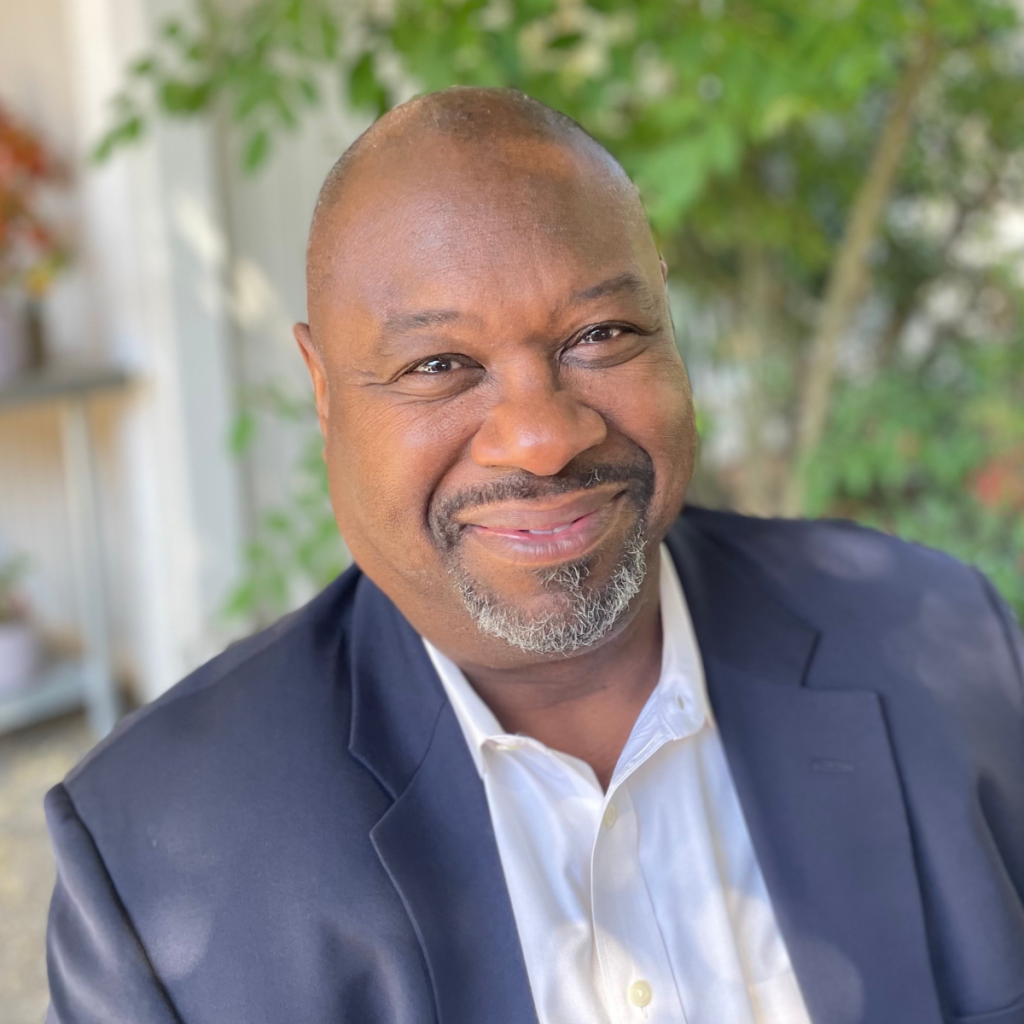
To help strengthen our operational foundation, we’ve also welcomed John Gonzalez as Chief Operating Officer. John brings extensive experience leading operations at mission-driven organizations including Candid, Alluma, Internet Archive, Xerox, Intel, and more. He blends technical expertise with operational excellence and people-first leadership.
ESP Co-Founder and Interim CEO, Aza Raskin, will transition into the role of Chief Explorer, remaining closely involved in shaping ESP’s vision, development, and public engagement, while returning more deeply to the core research questions that first sparked the project. Jane Lawton, who graciously served as Managing Director in the interim period, will move back into her role as Director of Strategic Impact.
Together, Steve and John will work alongside our team to strengthen partnerships, advance our research agenda, and ensure our work translates into meaningful scientific and real-world impact.
In this Q&A with Aza, Steve reflects on the threads that have shaped his career, his personal connection to the natural world, and his vision for how ESP can deepen our understanding of other species.
Get To Know Steven VanRoekel
Aza: How would you describe the thread that connects your career across public, private, technology-focused work?
Steve: When you start your career, you don’t really have perspective on threads and, for most people, you’re not angling toward a certain path. But looking back, you can see the emergence of themes that tie everything together. For me, first and foremost, it was curiosity: a constant desire to learn and to see and experience new things. I was a sci-fi kid growing up, and that lit a fire in me about what the future could hold.
After college, I started working at Microsoft. I was there when the Gates Foundation was shifting its focus from libraries to global health. Both at Microsoft at the Gates Foundation, I saw how technology and complex opportunities can be combined to solve big problems. In 2009, I left Microsoft to join the Obama administration, dedicating myself to driving impact at scale but through different vectors. Moving from launching big brands and promoting productivity through software to using the levers of the U.S. government and later the social sector at The Rockefeller Foundation broadened that lens for me.
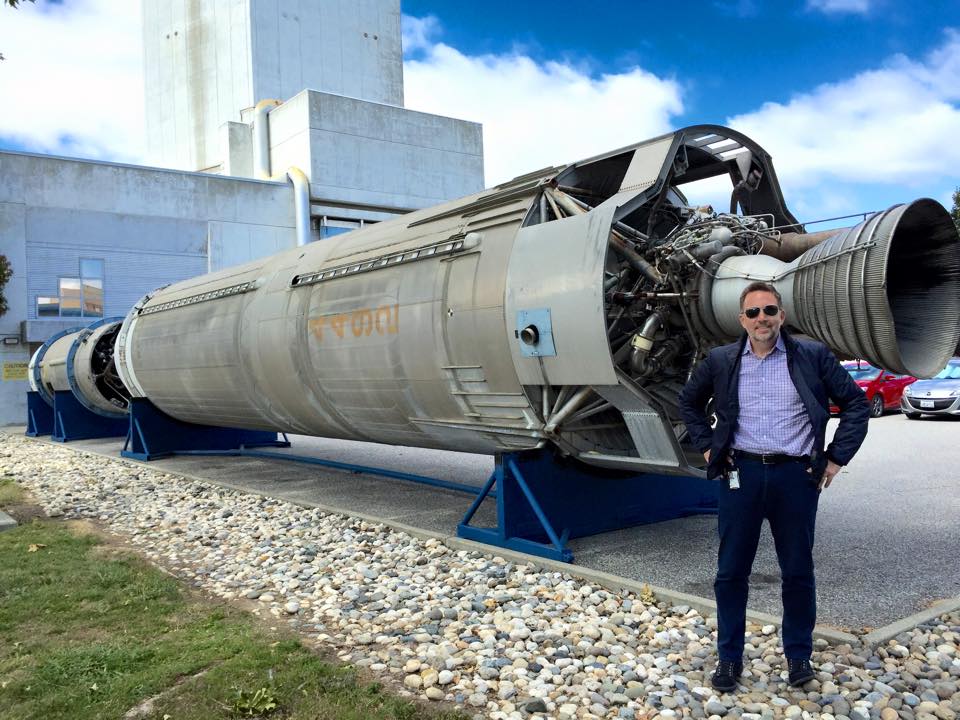
Looking back on my professional career, the tie that binds everything together is impact at scale. At Microsoft, that meant software products that improved productivity or entertainment. In the federal government, it was about systemic change for the planet and society. In the social sector, it’s about changing human lives and leaving the world better than we found it. What excites me most about ESP is the opportunity to drive that kind of impact for our planet, our environment, and all the species that inhabit it.
Aza: I’d love to know more about your personal connection to the natural world. Can you share a bit about the heart and soul behind your “why”?
Steve: I grew up in a small community in Iowa, surrounded by animals and nature. That connection was just part of everyday life. I’ve also always loved science and exploration. I started college studying aerospace engineering and have even recently taught aerodynamics at the university-level.
But throughout my life, I kept finding myself drawn back to animals and wild places. The most transformative moment came during a seven-month sabbatical from Microsoft, when I traveled the world, sailing through the southern Grenadine Islands and then spending time across Botswana, South Africa, and the Zambia/Zimbabwe border. Immersing myself in those environments changed me in a way that is hard to describe because it was more “felt” than apparent. Being surrounded by wildlife in that way was a deeply reductive experience and it brought me back to something primal. I started hearing, seeing, and even smelling the world differently.
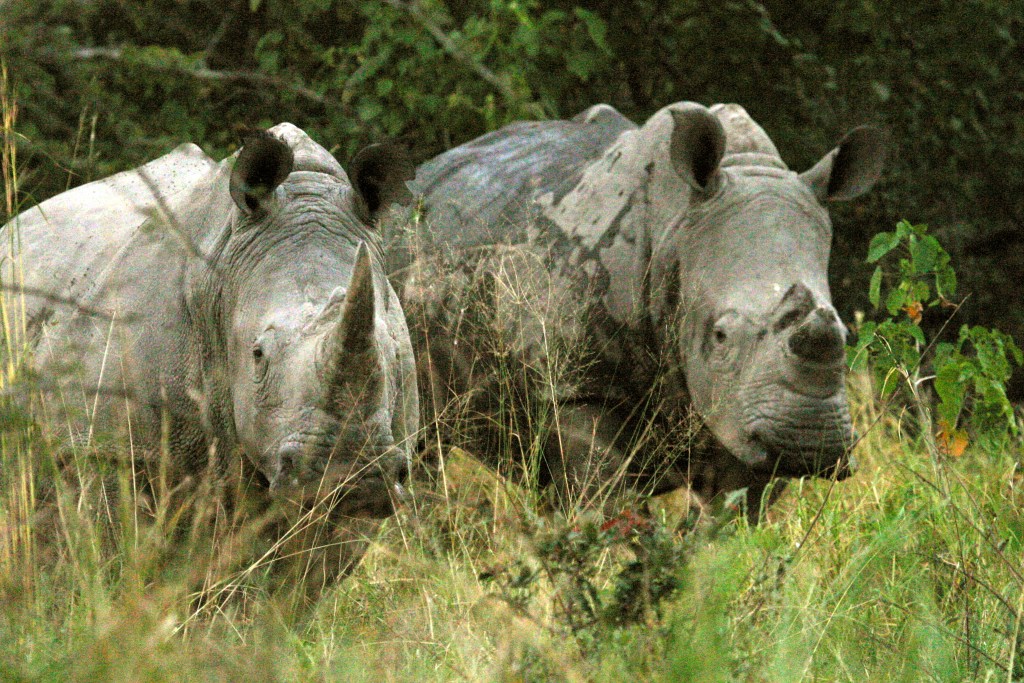
While in Botswana, I spent time with the team running the nation’s rhino reintroduction program, tracking rhinos and checking on their well-being. What was amazing is that sometimes the most reliable way to find them wasn’t using the anti-poaching radio beacons they had placed on the reintroduced rhinos, but instead listening to wildlife who were conversing with each other to let other species know where the rhino were. Seeing these types of chains of communication across the natural world was such a powerful reminder of how sophisticated animal communication systems already are.
When I came back, this experience led me to do everything in my life differently: how I treated people, how I approached my work, and how I thought about the environment around me. What drew me to ESP is the chance to help more people experience that same “felt” sense of connection to the natural world. I also dream of the profound changes that could follow if more people on our planet felt that way.
Aza: You don’t have a traditional background in conservation or sustainability. How will you lead a mission-driven organization like ESP?
Steve: The secret to leading any organization is first having deep curiosity about the mission and what it takes to drive impact. I want to learn everything. I’ve always been driven by curiosity, and what excites me most is the moment when understanding shifts people’s perspective.
I see that in my volunteer work. Whether it’s working with the Big Brothers Big Sisters program, a program in the U.S. that pairs people with kids who need a mentor in their lives, mentoring young people in math and physics, or teaching at the local college or state prison in Oregon where I now live, there’s a moment when I see a person understand a new concept or idea and everything changes. Adam Savage calls this “brain candy” — that instant when learning connects and you’re suddenly a different person. For me, ESP is about creating that kind of inflection point for society: a shift in how we understand and relate to the natural world. I’m already filling my head with the “brain candy” that is ESP.
More importantly, leading in this environment is about surrounding yourself with people who fill in the gaps and relying on their expertise. The real secret sauce of any organization is hiring the best people, giving them clear objectives and resources, and then getting out of their way. ESP already has extraordinary people, a strong sense of mission, and a clear, yet evolving discovery-based mission. My role is to help align people, resources, and partnerships so we can move the mission forward as effectively as possible.
Aza: What do you see as ESP’s biggest opportunity right now?
Steve: I’m a big student of history, and I see our opportunity as similar to the moment when Galileo improved the telescope and unlocked new mysteries of the universe.
At ESP, we have this nascent invention that is AI, and we can improve it and use it to unlock the mysteries of our planet, especially around animal communication. Once we begin unlocking that mystery, we could see shifts on the scale of Copernican or Galilean moments in history: new science, new understanding, and perhaps most importantly, new relationships with our planet.
Aza: What does ESP need right now to grow or evolve?
Steve: To scale our mission, the key will be collaboration. Many nonprofits tend to be insular because of donor relationships and grant structures, but research and academia have strong cultures of collaboration across boundaries.
ESP sits at an interesting intersection between those worlds. We have the opportunity to bring together the AI and machine learning community, biologists, nonprofit organizations, and governments. The goal isn’t just to scale the organization, but to scale the impact of our work and drive meaningful change for the natural world. That will happen through strong partnerships and collective effort, inside and outside our organization.
Aza: What does success look like for ESP in the next three to five years?
Steve: Success will likely look like incremental unlocking of knowledge rather than one single dramatic moment. In software development, you used to just have major version releases but now innovation happens incrementally at internet speeds and scales. I think our progress will feel similar: steady accumulation of insights at AI-scale.
Three years from now, I expect we’ll see incremental but meaningful advances that deepen what we know about animal communication. The real question is: will those insights be enough to shift perspectives and help people see our relationship with the planet in a deeper, more connected way? If they do, that will be a powerful measure of success.
Aza: Is there an animal that you relate to most?
Steve: My superpower is seeing systems clearly and navigating across them. I’m a bit like an osprey, which I see often here in Oregon. Comfortable moving between worlds that don’t always naturally connect, in my case technology, government, philanthropy, or science. I tend to observe first, understand how the pieces fit together, and then move decisively when the moment is right. That combination—patience, perspective, and precision—has helped me build teams, institutions, and partnerships that can take on ambitious problems. And if the mission is meaningful, I’m all in.